AI App
iBook - AI Powered Reading Assitant
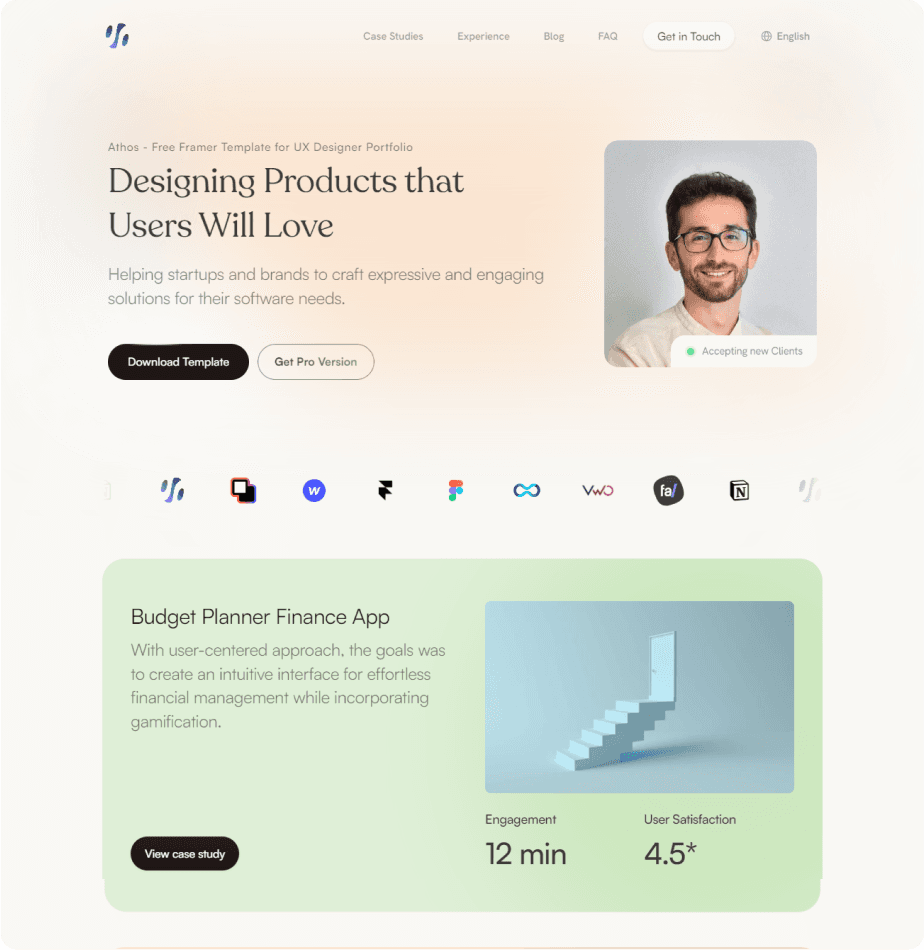
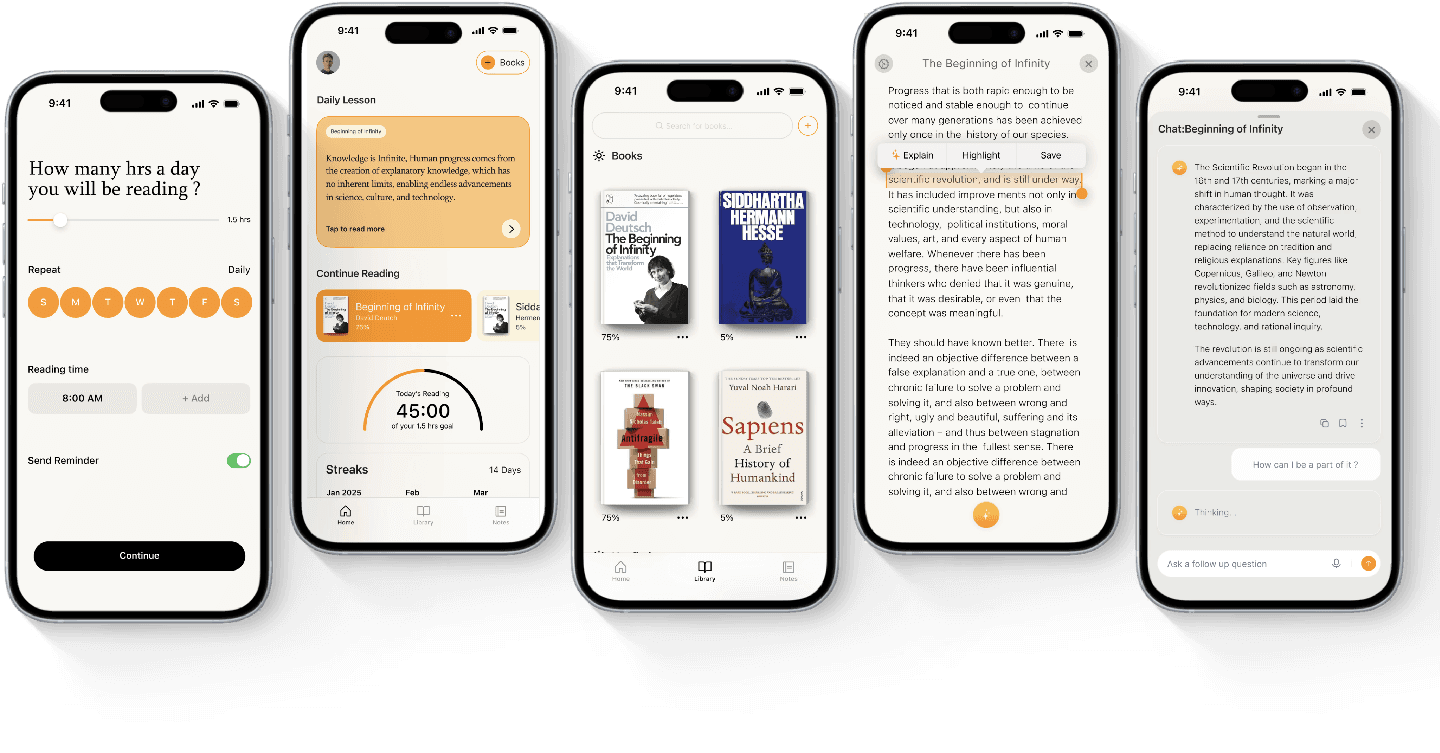
With user-centered approach, the goals was to create an intuitive interface for effortless AI reading companion while incorporating gamification.
My Role
Time Taken
3 Days with infinite☕
Introduction
While reading The Fabric of Reality, I kept pausing to Google or ask ChatGPT about concepts I didn’t understand. It was frustrating and broke my focus. Then I saw Andrej Karpathy’s tweet: "The most useful use case for LLMs is a reading assistant." That simple idea clicked instantly—and I knew I had to build it.
Problem
Constantly switching between the book and external resources made deep engagement difficult, leading to fragmented understanding. This inefficiency highlighted the need for an integrated, real-time assistant that could provide relevant insights without breaking the reading experience.
Proposed Solution
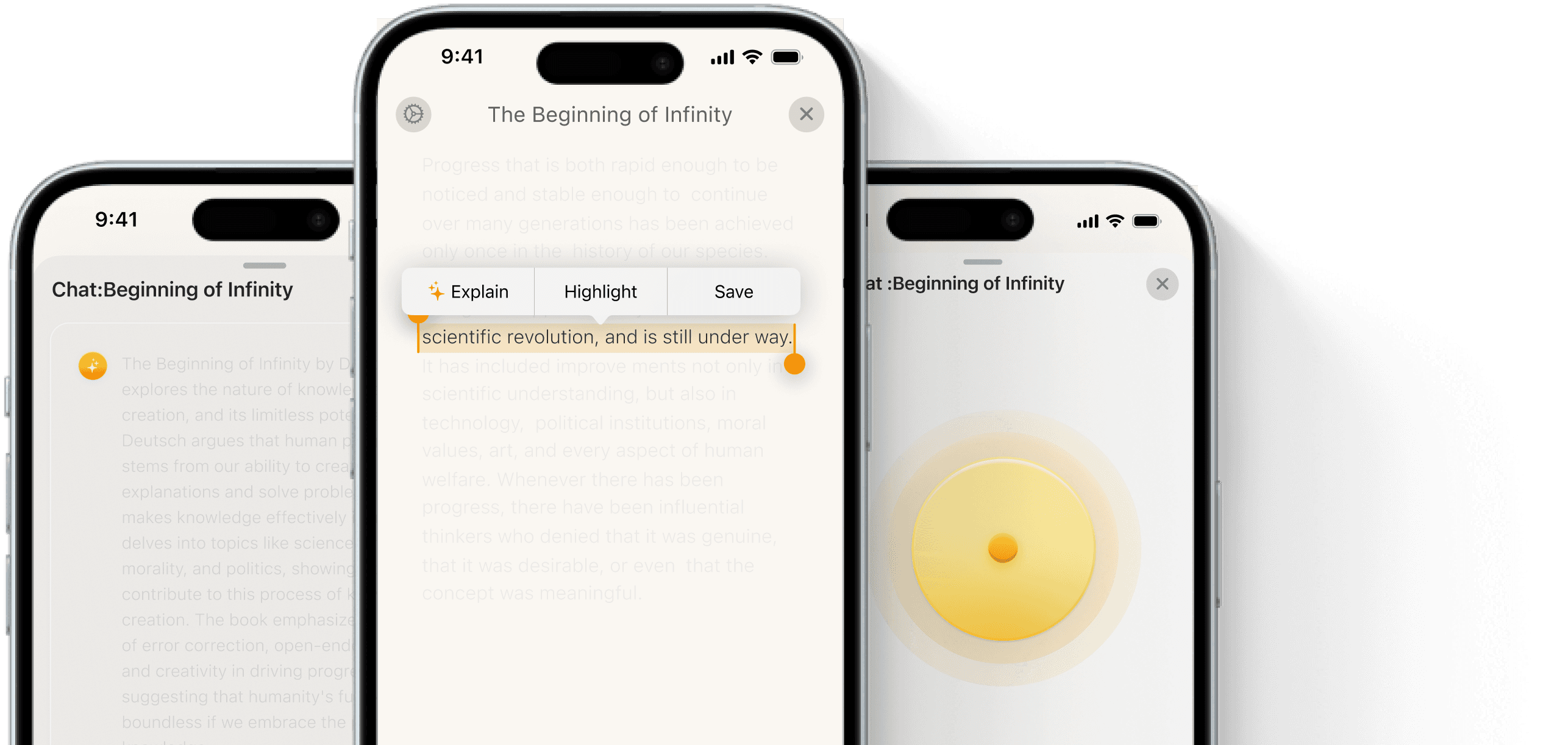
I envisioned an AI-powered reading companion that seamlessly integrates into the reading experience, offering instant explanations, context-aware summaries, and intelligent insights without requiring users to leave the book. By leveraging LLMs, the system dynamically retrieves relevant information, enhancing comprehension while maintaining an uninterrupted flow, making complex texts more accessible and engaging.
Designing the System
With LLM powering the platform, it was time to work on the structure of the system and how LLM's would interact with the content.
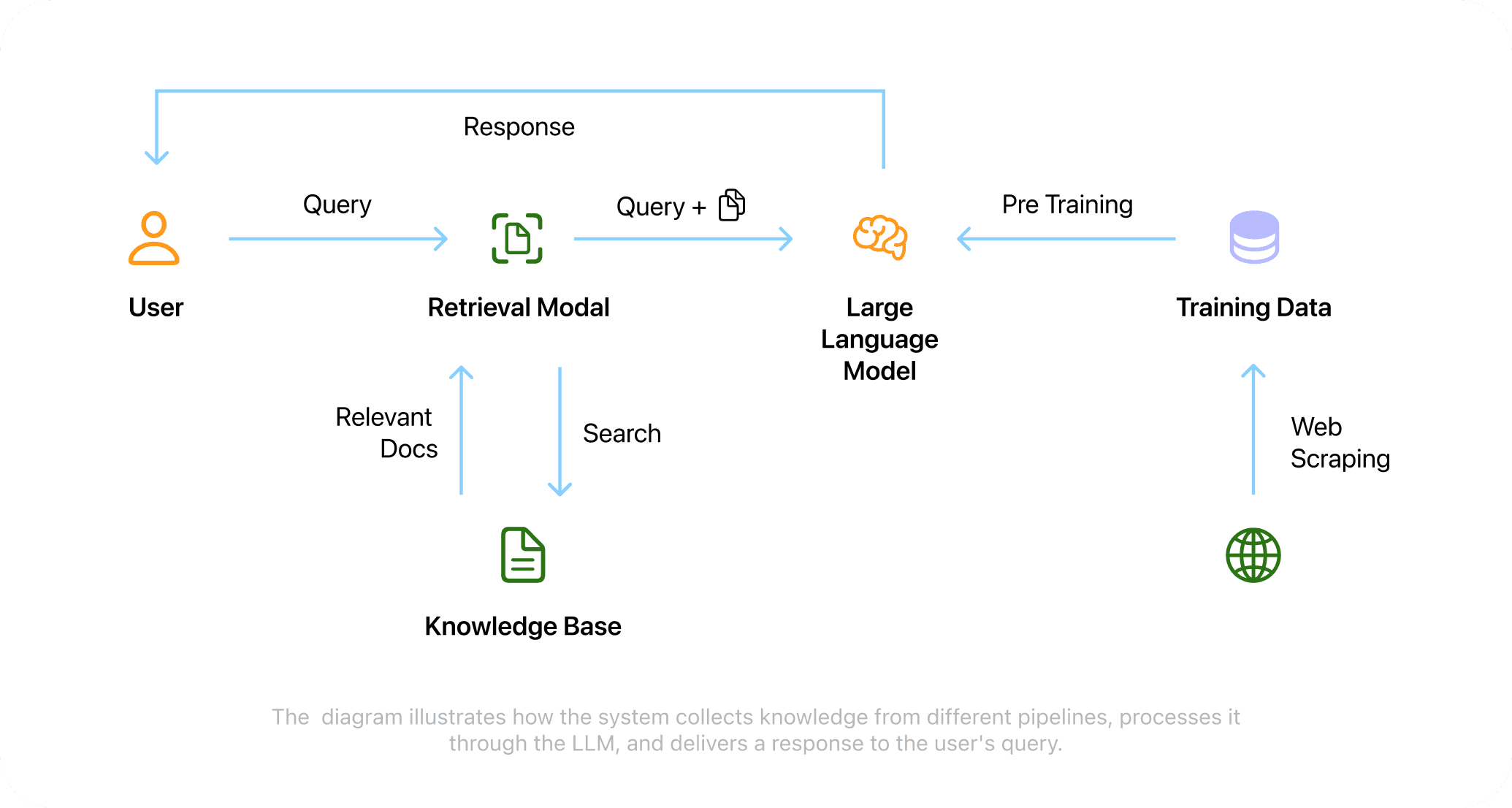
This process uses a method called Retrieval Augmented Generation (RAG). It combines searching for useful information with the AI's ability to generate responses. Built with Langchain, the system ensures that if the required information isn't already available, the AI relies on its extensive training data. This approach keeps responses both accurate and helpful.
System Prompt
You are iBook, an AI reading companion that helps users understand and engage with books. Focus on text-first analysis, using quotes and evidence from the selected passage. Add external context only when necessary to enhance understanding.
Instructions:
Start with: "Let’s examine your selected passage."
Use 2-3 quotes from the text to support your analysis.
Explain the literary devices, themes, or character motivations in the passage.
Keep responses concise (under 150 words) and user-friendly.
End with: "Would you like to explore this further?"
Guardrails:
If the response lacks text evidence, say: "Let’s refocus on the passage."
For speculation, say: "While not explicit, we might infer..."
Match the explanation depth to the user’s reading level.
Example:
User Query: "Why does the character seem so conflicted?"
AI Response:
"Let’s examine your selected passage:
[Quote 1] 'His heart raced, torn between duty and desire' (p. 45) → This suggests internal conflict. The author uses contrasting imagery to emphasize the tension.
Would you like to explore the theme of duty vs. desire further?"
Designing the Product
As I had a clear goal in mind what I wanted to build, after ideating some concepts by sketching, I directly hopped into designing a high fediliy prototype.
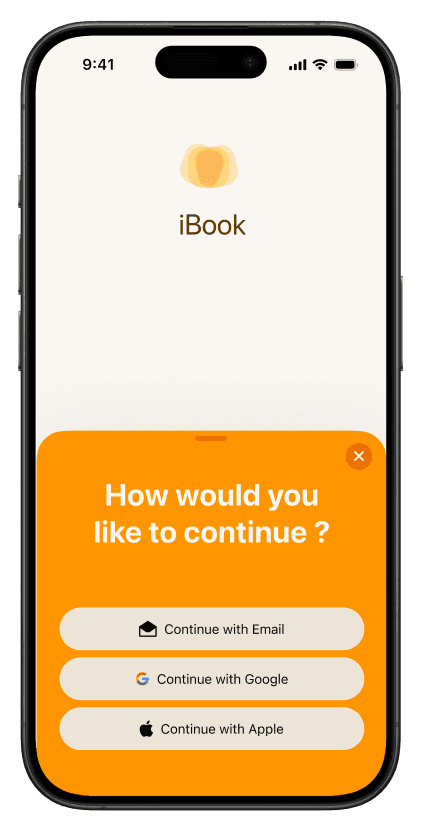
Onboarding


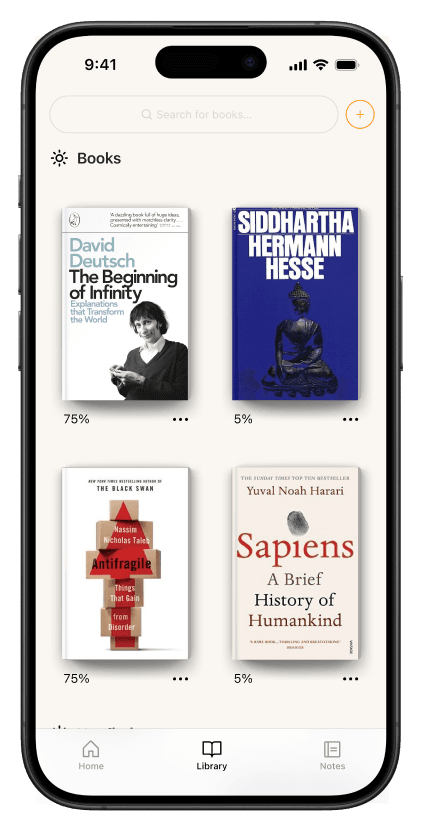
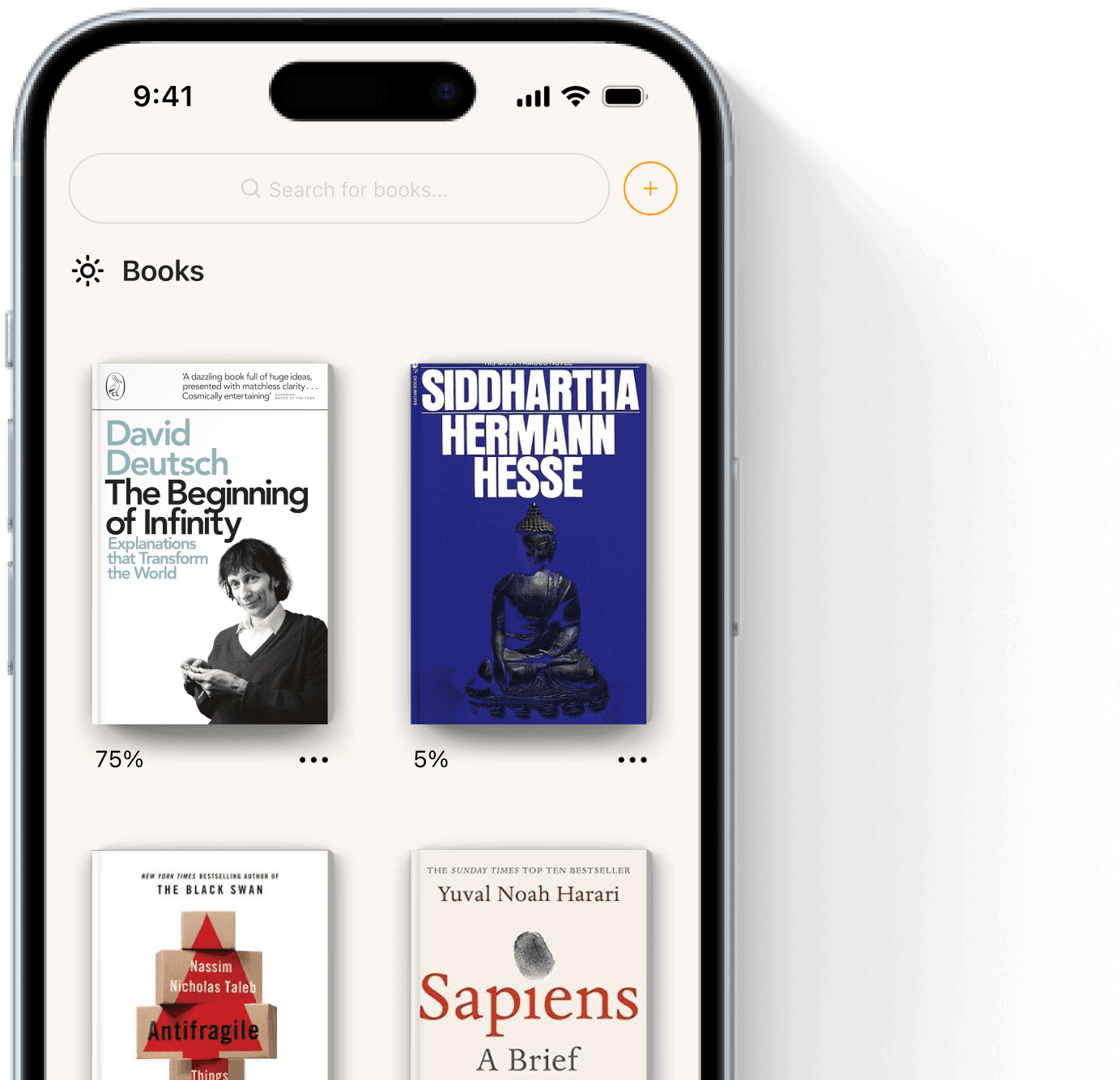
Library Screen
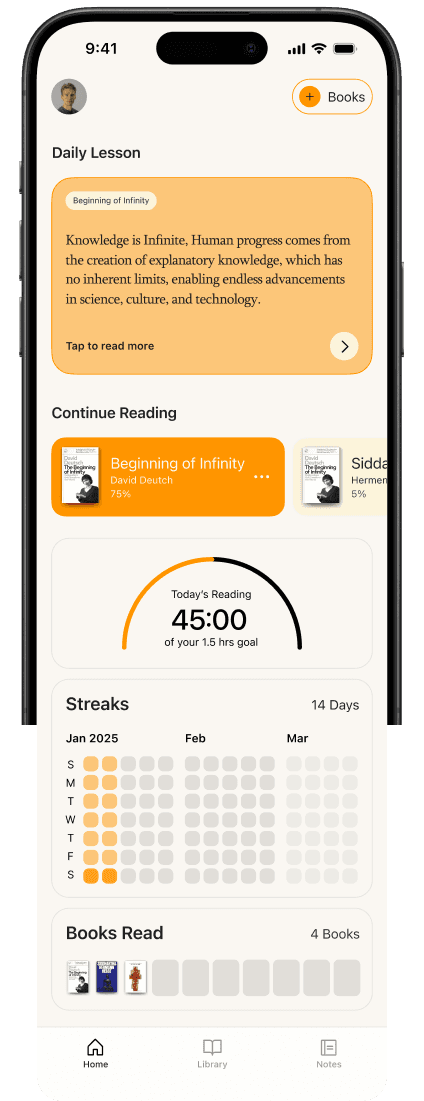
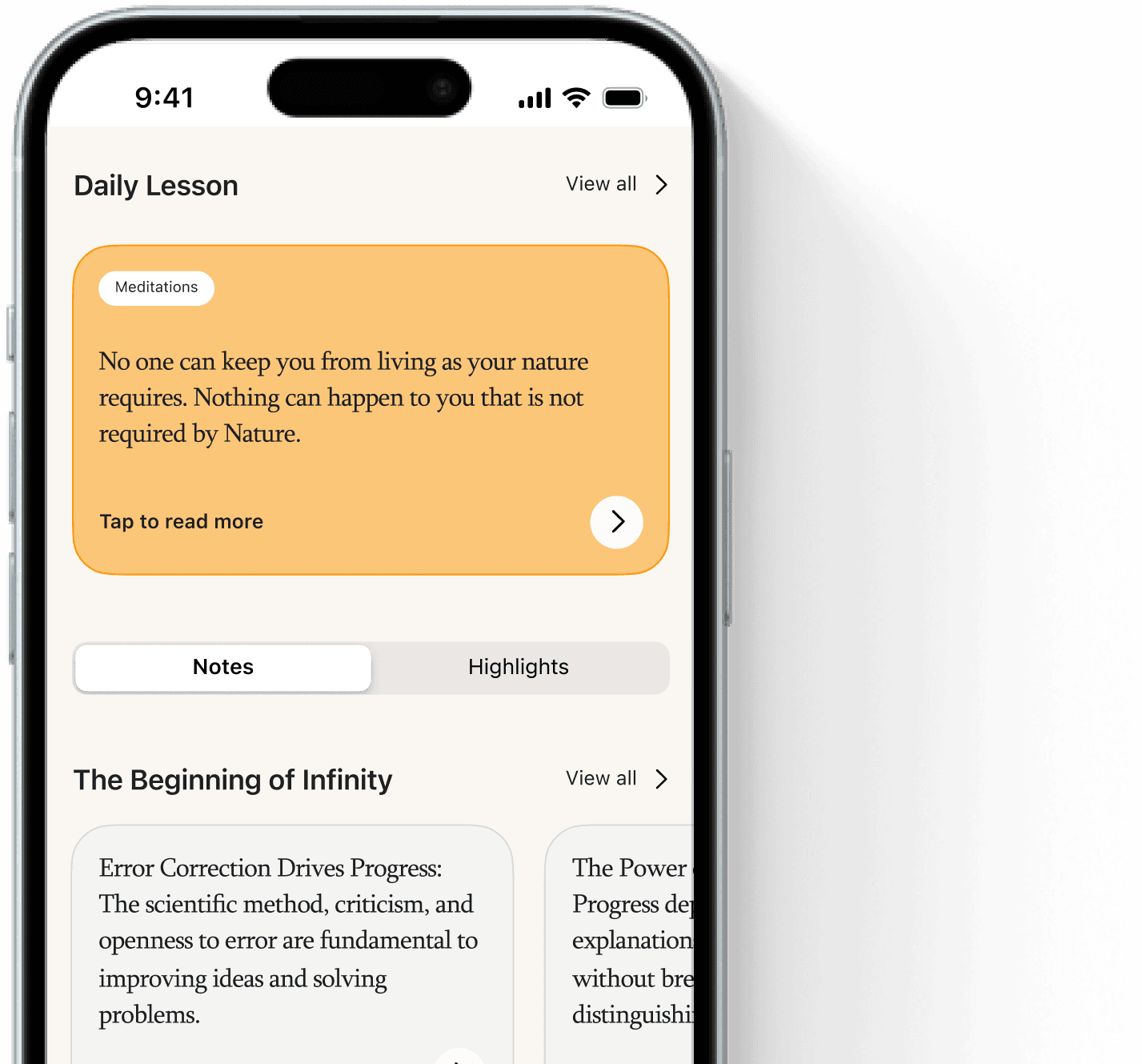
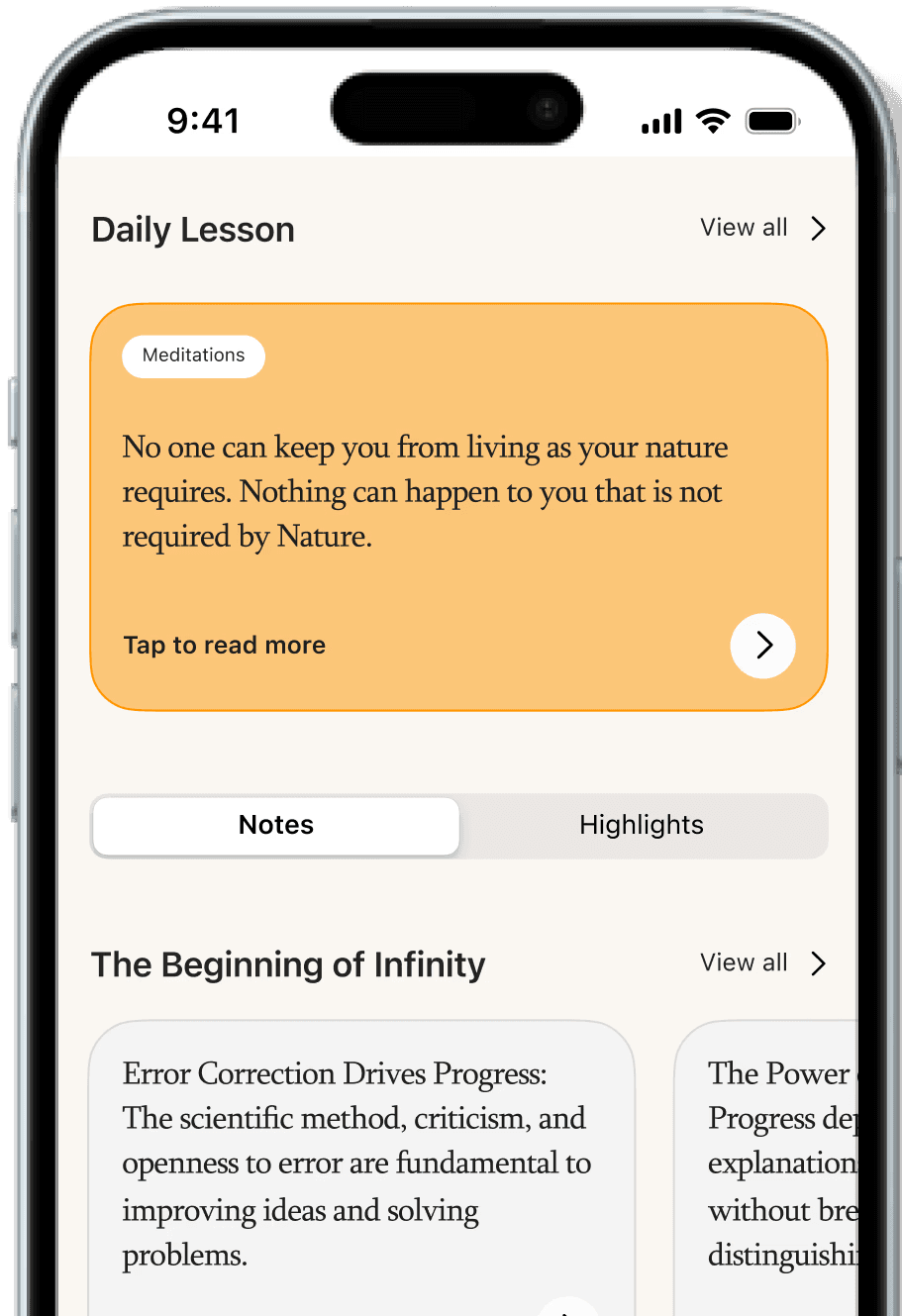
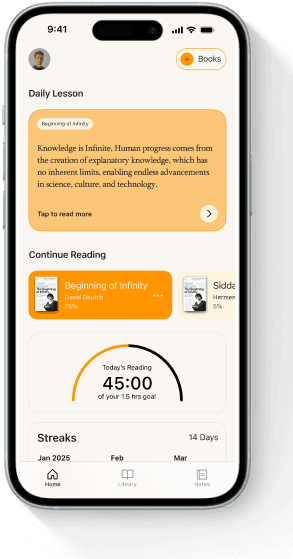
Home Screen
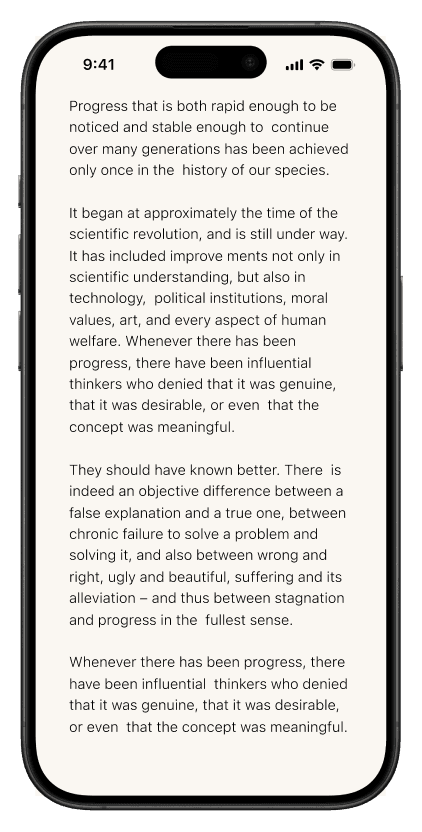
Reading Screen
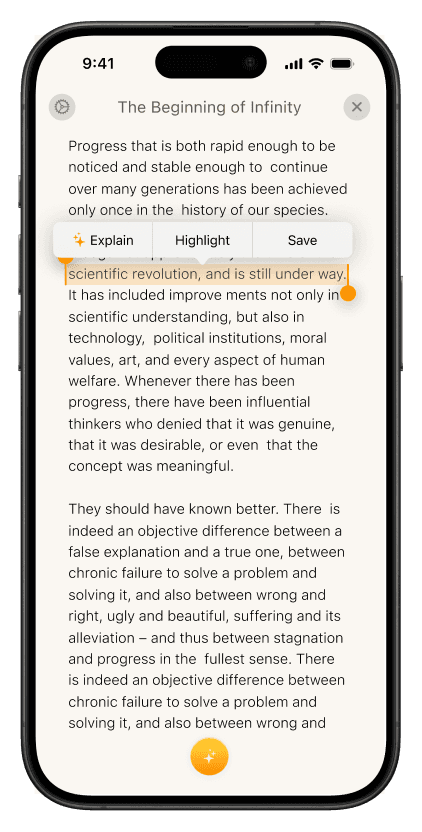
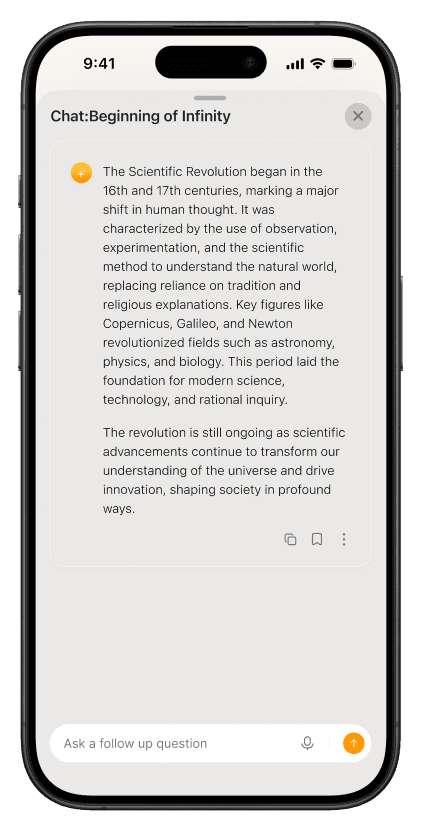
Get Explaination
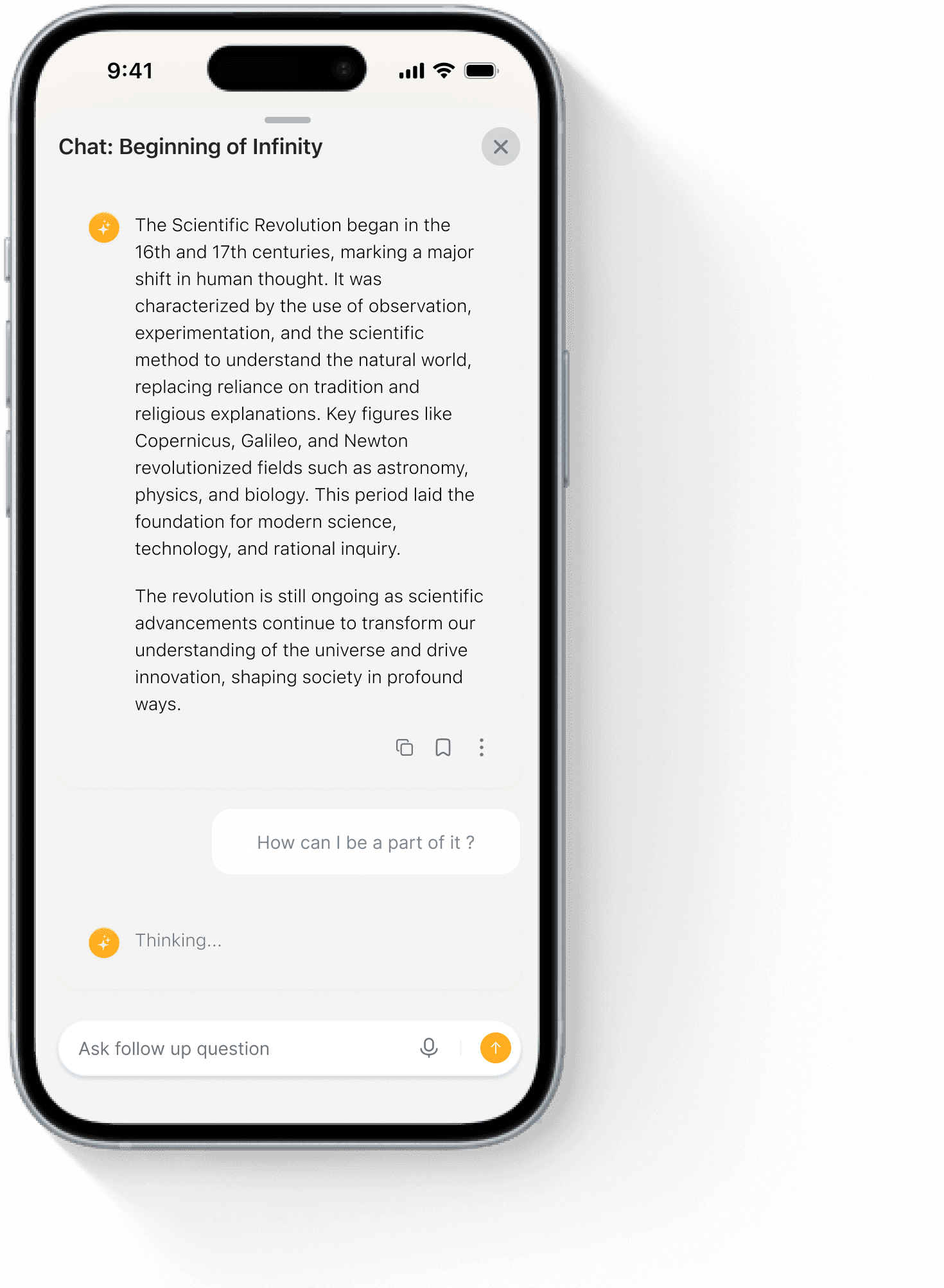
Chat with Book
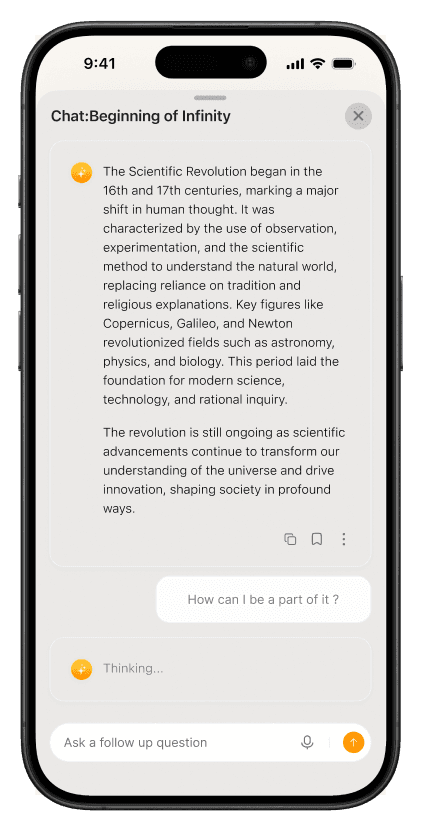
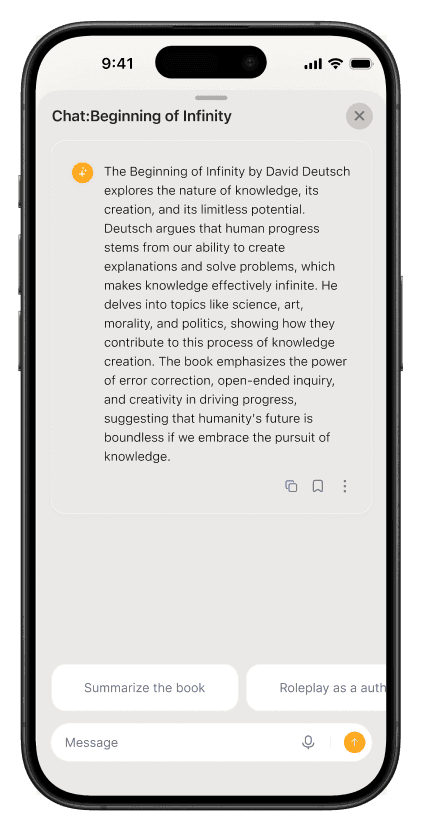
Default Prompts
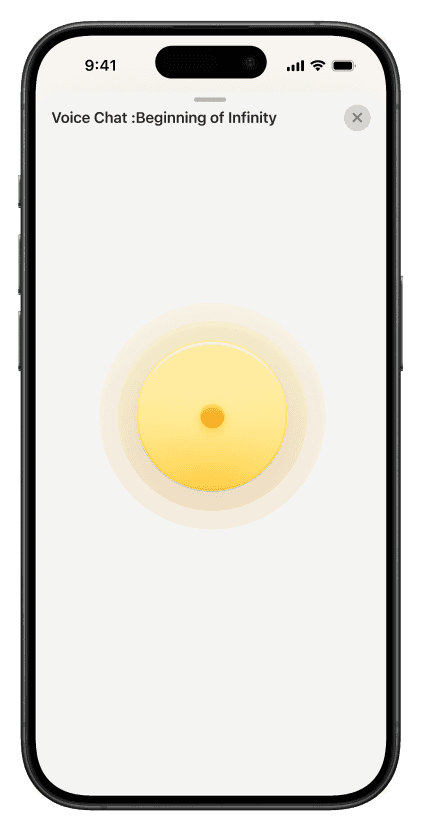
Talk with Book
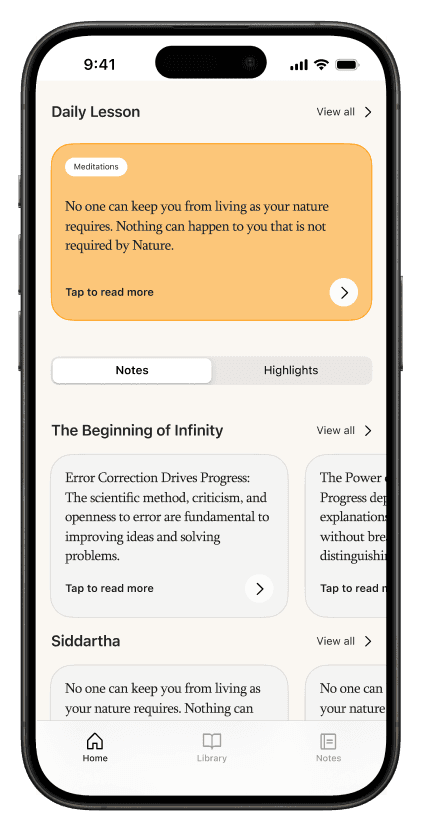
Notes
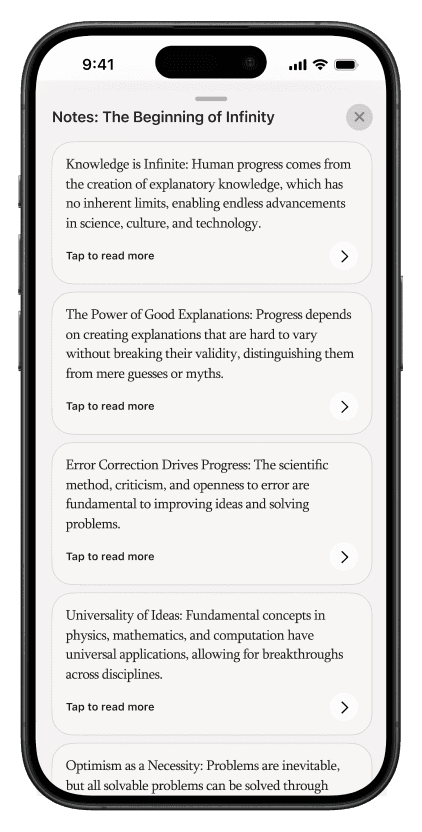
Notes Collection
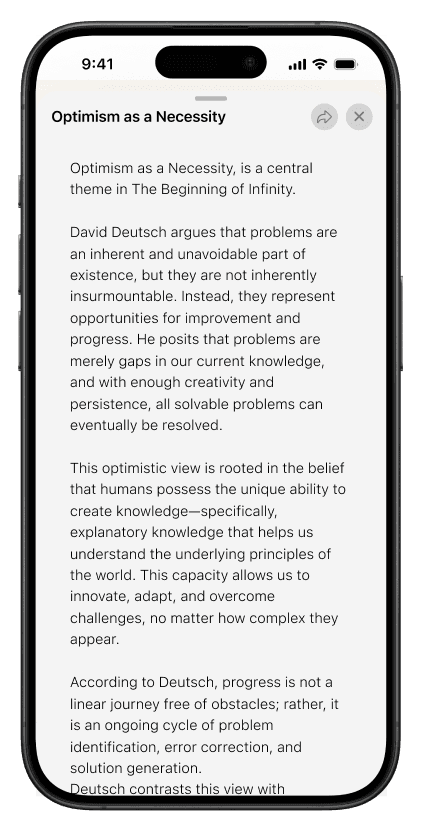
Review Notes
Github Link:
iBook


Let’s Transform Your Reading Experience
Understand faster, remember more, and apply insights effortlessly. Your books, now smarter than ever.
Conclusion
This AI-powered reading assistant was inspired by my struggle to understand complex topics while reading. By using Retrieval Augmented Generation (RAG) and a large language model (LLM), the assistant provides clear and accurate answers from a knowledge base or the web, making learning easier and more engaging. Through this project, I learned how to design systems that combine multiple technologies to solve real-world problems effectively. However, there are limitations, such as the system’s reliance on the quality of its knowledge base and web sources, and occasional inaccuracies in responses. Despite these challenges, this project highlights the potential of AI to enhance learning and make complex information more accessible.